



Where Affordable Housing Meets Outdated Zoning
Tucson's housing market has shifted dramatically from the frenzy of 2021. Today's market is "somewhat competitive," with homes receiving an average of just one offer and selling in around 69 days. While prices have moderated—with median home values at approximately $323,000-$325,000—the market remains balanced between buyers and sellers. Only 12.9% of homes now sell above list price, down significantly from previous years, indicating bidding wars have become rare.
Yet just 20-30 miles southwest of Tucson in Pima County's Diamond Bell Ranch, a different story unfolds—one where abundant land meets an urgent need for affordable housing, but decades-old zoning restrictions stand firmly in the way.
The Three Points Paradox
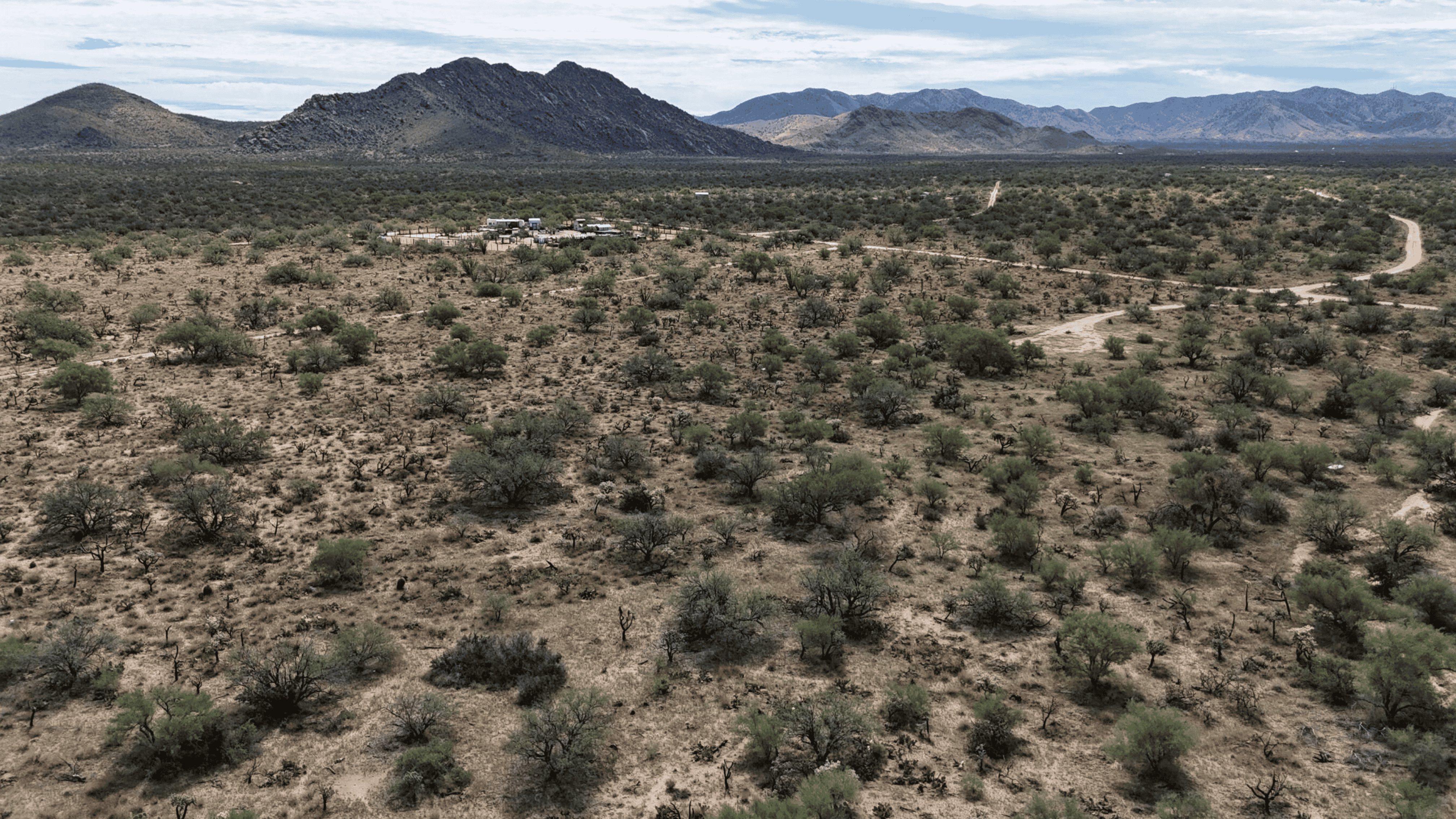
Drive west on Highway 86 toward Three Points, and you'll discover Diamond Bell Ranch: a rural subdivision spanning acres of pristine Sonoran Desert landscape. With panoramic mountain views, dramatic stargazing opportunities, and properties typically starting at 1-2 acres, the area offers exactly what many buyers seek—space, privacy, and affordability.
Land prices here tell a compelling story. One to two-acre parcels range from under $10,000 to approximately $30,000—a fraction of what buyers face in metro Tucson. Of the real estate listings in the area, the overwhelming majority are vacant lots, not developed homes.
The land is there. The demand exists. So why does so much of Diamond Bell Ranch remain empty?
A Vision Frozen in Time
Diamond Bell Ranch was conceived in the mid-to-late 1970s as a planned community—envisioned to rival developments like Saddlebrooke or those near Green Valley. Developers sold lots with grand promises: infrastructure improvements, modern amenities, a thriving suburban enclave.
Those improvements never materialized. The narrow, poorly maintained two-lane road remained. The modern community stayed trapped in blueprints.
What did materialize—and what persists today—are CR-1 (Single Residence) zoning restrictions appropriate for bustling suburbia, now governing a rural area with just over 800 residents scattered across a sea of open desert. These restrictions require site-built homes of at least 1,000 square feet, mandate septic systems, and explicitly prohibit manufactured or mobile homes.
The original developer's financial troubles compounded the problem, leaving millions in unpaid property taxes and a fractured community without a unified homeowners association to coordinate change.
The Grassroots Movement for Change
Not everyone accepts the status quo. A growing coalition of Diamond Bell Ranch property owners and advocates has emerged, frustrated that CR-1 zoning prevents affordable housing options they see as essential in today's economic climate.
This isn't a fringe movement. It's organized, vocal, and increasingly visible:
- Property Owners Alliance hosts weekly Sunday meetings and operates TakeBacktheBell.com, coordinating opposition to current restrictions
- Facebook groups like "Friends of Diamond Bell Ranch" and "Take Back the Bell" serve as organizing hubs for residents seeking zoning reforms
- Public protests and demonstrations have emerged, with activists documenting their efforts on YouTube and social media
- Yard sign campaigns and attendance at Pima County Board of Supervisors meetings signal sustained community engagement
While an estimated 20-50 residents actively participate in protests and meetings—a small fraction of the 800+ residents—their argument resonates beyond their numbers: why should regulations written 50 years ago dictate housing possibilities today?
Real estate professionals and landowners have lobbied county officials to modify zoning to allow modular or manufactured homes. Their perspective is straightforward: embracing diverse housing types could revitalize the area and address Pima County's affordable housing shortage.
The Other Side: Protecting the Vision
Not everyone supports change. The Clean the Bell movement advocates for maintaining and strictly enforcing CR-1 standards, arguing that these restrictions protect property values, preserve the area's aesthetic character, and honor the original planned community vision.
This divide has created genuine tension. Pima County Development Services faces an impossible position: according to state law, only property owners themselves can initiate zoning changes before the Board of Supervisors can approve them. Without a unified homeowners association, even a single objecting landowner can effectively block rezoning efforts.
The result is regulatory gridlock in an area crying out for development solutions.
Manufactured Homes: Not Your Parents' Mobile Home
Much of the resistance to change stems from outdated perceptions of manufactured housing. Today's manufactured homes bear little resemblance to the mobile homes of the 1970s and 80s.
According to the Manufactured Housing Institute, modern manufactured homes meet rigorous federal standards for safety, installation, and construction. They're built with 2x4s and 2x6s, feature properly vented roofs with energy-efficient appliances, and include luxury bathrooms and state-of-the-art kitchens. Sizes range from compact units to 2,900-square-foot family homes.
The cost difference is striking: a multi-section manufactured home without land averages around $89,500, compared to over $286,000 for site-built homes. In a region where housing affordability remains challenging, this price gap represents genuine opportunity for families priced out of traditional markets.
Living the Reality: Kate's Story
Kate Brown's experience embodies the Diamond Bell paradox. After relocating from North Carolina to care for her ill brother, she purchased three lots with complete privacy—no neighboring homes in sight.
She'd prefer a modular home, but CR-1 zoning says no.
Instead, Kate is planning a tiny home built on a trailer—technically permissible under current regulations, but hardly the affordable solution she sought. The fully equipped structure will cost $75,000-$100,000.
She'll live off-grid like many Diamond Bell residents: solar panels for electricity (the nearest utility line is a quarter-mile away), trucked-in water, and shade structures for summer heat protection.
And she has no objections to neighbors choosing manufactured homes. "I'd be fine with it," she says simply.
The Bigger Picture: Conservation and Natural Beauty
Lost in the zoning debates is Diamond Bell Ranch's extraordinary natural setting. The area is noted for its pristine Sonoran Desert scenery, diverse wildlife, and status as a key habitat for the endangered Pima Pineapple Cactus and other protected species.
The region sits close to outdoor attractions like the Coyote Mountain Wilderness, Kitt Peak Observatory, and the Buenos Aires National Wildlife Refuge—all supporting recreation, camping, hiking, and world-class stargazing.
This environmental significance adds another layer of complexity to development discussions. Any changes must balance housing needs with conservation priorities in this ecologically sensitive area.
An Opportunity Left Untapped
As Tucson's market moves toward balance with inventory rising 20% and supply reaching approximately 4.6 months, the contrast with Diamond Bell Ranch becomes even more striking. While new home construction increases in areas like Oro Valley and Vail, aided by zoning reforms encouraging higher-density development, Diamond Bell remains locked in regulatory amber.
The irony is profound: regulations designed to create a "modern, thriving community" are the very barriers preventing that vision from becoming reality. The land is there, priced at levels that could genuinely address affordability concerns. Buyers exist—families seeking privacy, nature, and escape from escalating urban costs. The technology has evolved, with manufactured homes now rivaling site-built quality.
What hasn't evolved are regulations written when mobile homes looked completely different, when Tucson's housing challenges were decades away, and when the idea of "manufactured housing" carried stigma that no longer applies.
What Comes Next?
Diamond Bell Ranch stands at a crossroads. With housing affordability remaining a critical issue across Southern Arizona, the question isn't whether the area should develop—it's how, and according to whose vision.
Should 50-year-old zoning decisions, tied to a development plan that never materialized, continue dictating the housing possibilities of today? Or should the community have the flexibility to adapt regulations to current realities, allowing diverse housing options that could transform vacant lots into affordable homes?
The grassroots movement for change won't disappear. The defenders of current standards won't back down. And the land will continue sitting, waiting—a symbol of opportunity trapped by outdated regulations, while families struggle to find affordable housing options less than an hour from downtown Tucson.
Perhaps the real question is this: What serves the greater good? Preserving restrictions tied to a vision that never came to fruition, or creating pathways for affordable housing that respects both the natural environment and the diverse needs of today's homebuyers?
For more information on Diamond Bell Ranch and the ongoing zoning debates:
- Coalition for Sonoran Desert Protection – Conservation in Diamond Bell Ranch
- Clean the Bell (advocating for maintaining current zoning)
- Friends of Diamond Bell Ranch Facebook Group
- Land listings on LandSearch
Have questions about land opportunities in the Tucson area or want to explore your options? Let's talk about what's possible.
Check out this article next